Moss on Your Roof: Harmless Eyesore or Slow, Costly Damage?
Moss creeping across a roof is one of the first things a homeowner notices, and the instinct is usually to wonder whether it is a genuine problem or simply an eyesore. The honest answer is that it is both. A light green film can look untidy while doing little immediate harm, yet moss holds moisture against your tiles, works its way beneath them, and eventually ends up choking your gutters. This guide explains exactly how moss turns from a cosmetic nuisance into slow, costly damage, the warning signs worth watching for, and the point at which a North London roof needs professional attention.
The quick answer: A thin, recent covering of moss is mostly cosmetic. Thick, established moss that has been left for years traps water, lifts and cracks tiles through winter frost, and blocks drainage, and that is when it starts costing you real money.
1. How Moss Holds Water Against Your Tiles
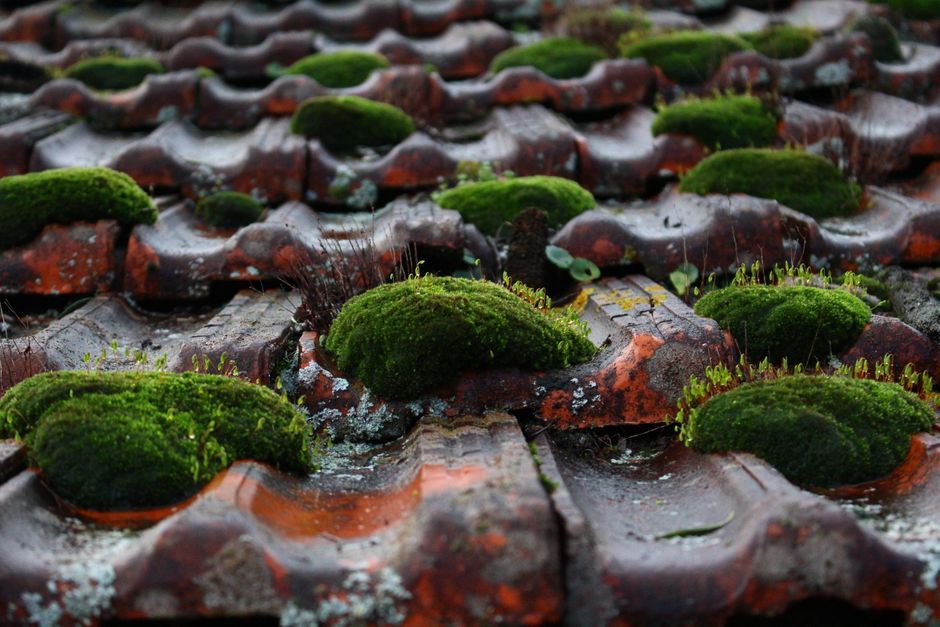
The root of the problem is water. Moss behaves like a sponge sitting on the surface of your roof, soaking up rain and holding it against the tiles long after the weather has cleared. Tiles are designed to shed water fast and then dry out, so a permanently damp surface undermines the one job the roof is built to do.
On a North London roof that sees regular rain and long spells of shade from trees or neighbouring buildings, that constant dampness gives moss exactly the conditions it needs to thrive. The wetter the surface stays, the faster the covering thickens, and the thicker it gets, the more water it holds. It is a cycle that quietly accelerates the longer it is ignored.
2. The Slow Damage to Tiles and Mortar
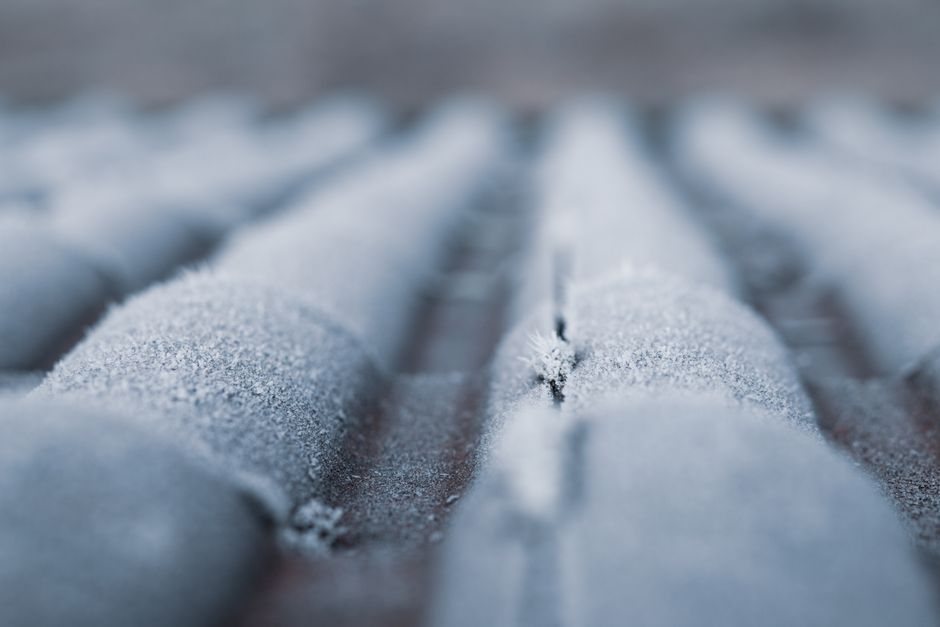
Trapped moisture becomes a real threat once cold weather arrives. Water held in and around the moss seeps into tiny gaps, and when it freezes it expands, prising at the edges of tiles and the mortar that holds your ridge and hip tiles in place.
Over several winters this freeze and thaw cycle can lift tiles, crack older or more porous ones, and loosen mortar joints. What began as a harmless green film can, given enough time, turn into a genuine repair bill. This is why long-standing moss on an ageing roof deserves far closer attention than a fresh, thin covering on a roof in good condition.
3. How Moss Ends Up Blocking Your Gutters
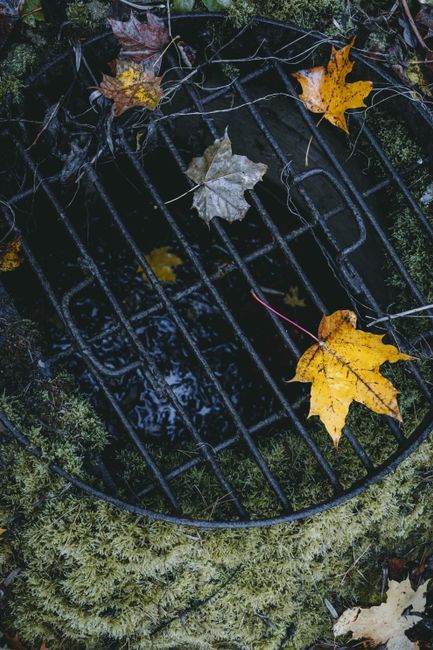
Moss rarely stays where it grows. As it thickens and dries, clumps break away and slide down the slope, and the natural place for them to gather is the gutter. A build-up of moss and the debris it traps slows drainage, and once a gutter can no longer carry water away, rain overflows down your walls or pools where it should not.
In this way a roof problem quietly becomes a gutter and damp problem. The two are closely linked, which is why moss removal and gutter clearing often need to be handled together rather than treated as separate jobs months apart.
4. Warning Signs Your Moss Has Gone Too Far
Not every patch of moss is urgent, but a few clear signals separate a cosmetic covering from one that is actively causing harm. If you notice any of the following, your roof has likely moved past the point where it can safely be left alone:
- Thick, spongy growth rather than a thin green tint on the tiles.
- Clumps of moss in the gutters, on the ground, or on a conservatory roof below.
- Gutters overflowing in heavy rain or damp patches appearing on interior walls.
- Cracked, slipped, or lifted tiles visible from the ground.
- Moss that has returned quickly and heavily after a previous clean.
5. When Moss Is Mainly a Cosmetic Concern
To keep this balanced, not every green patch calls for immediate action. A thin, recent covering on a structurally sound roof is largely a matter of appearance. It will spread if left, but it is not causing serious harm in the short term, and it can reasonably wait for a planned clean rather than an emergency call-out.
The skill is in telling the difference between moss that is simply making the roof look tired and moss that is thick, well established, and already shedding into the gutters. The first is a job for the diary. The second is a sign that Roof Cleaning should be arranged before the damage becomes structural.
6. Preventing Moss Damage the Smart Way
The most reliable way to avoid moss damage is to stop it ever reaching the point where it does harm. Regular, professional cleaning removes the covering before it thickens, keeps the tiles clear so they can dry as intended, and stops loose moss from ever reaching the gutters.
Treated this way, a roof never has to face the freeze and thaw damage or the blocked drainage that neglected moss brings. Prevention through routine maintenance is almost always cheaper, safer, and less disruptive than waiting for a repair, and it keeps your home looking cared for from the street.
Frequently Asked Questions
Is moss on a roof actually harmful?
Yes, when it is left to build up. Moss holds moisture against tiles, works into small gaps, and can lift or crack tiles through winter freezing, as well as blocking gutters. A thin, recent covering is mostly cosmetic, but thick, established moss causes real damage over time.
Should I remove moss from my roof myself?
It is usually better not to. Roofs are dangerous to work on, and scraping or pressure blasting moss can crack tiles or strip their protective surface. Professional cleaning removes moss safely and thoroughly without adding new damage in the process.
How quickly does moss come back after cleaning?
It depends on how much shade and moisture the roof gets, but a properly cleaned roof stays clear far longer than an untreated one. Regular cleaning stops the covering from ever returning to a damaging thickness.
Does moss cause leaks?
It can, indirectly. By lifting tiles, holding water against the surface, and blocking gutters so rain overflows, moss creates the conditions that lead to leaks and damp, even when the moss itself is not the final cause.
How can I keep moss from damaging my roof?
Prevent it with regular maintenance. Keeping the roof clean stops moss reaching the stage where it lifts tiles or blocks drainage, and keeping gutters clear reduces the debris that moss adds to in the first place.
Protect your roof before moss does the damage.
Ben's Roof Cleaning provides professional roof cleaning, moss removal, and gutter clearing for homes across North London. Get in touch or call 0207 078 0639
for a free, no-obligation quote.
See the Moss for What It Is, Then Act
Moss on a roof is never only a cosmetic issue once it has had time to establish itself. A thin covering may simply look untidy, but left in place it traps moisture, threatens tiles and mortar through winter, and feeds straight into your gutters. The sensible approach is to judge how thick and established the moss really is, act before it reaches the damaging stage, and keep the roof clear through regular maintenance. Do that, and your North London roof stays protected, watertight, and looking its best for years to come.