Blocked Gutters and Damp Walls: How They're Connected
Damp on an interior wall is one of the most worrying things a homeowner can spot, and the cause is often higher up than people expect. More often than not, damp patches trace back to something as ordinary as a blocked gutter. The two problems are closely connected, and understanding how one leads to the other is the key to fixing damp at its source rather than repeatedly treating the symptom. This guide explains the link and what to do about it before it spreads.
The quick answer: When a gutter blocks, rainwater overflows and runs down the wall instead of draining away. Over time that constant soaking penetrates the brickwork and shows up as damp inside. Clearing the gutters removes the cause, which is why persistent damp so often starts with gutter maintenance.
1. What a Gutter Is Actually For
It is easy to forget how much work gutters do. Their entire job is to catch the water running off your roof and channel it safely down and away from the walls and foundations. A working gutter keeps the face of your house dry every time it rains.
When that channel is clear, the system is almost invisible and you never think about it. It is only when a gutter stops doing its job that the consequences appear, often somewhere that seems unconnected to the gutter itself.
2. How a Blockage Turns Into Damp
When leaves, moss, and silt build up, the gutter can no longer carry water away. In heavy rain it fills and overflows, and that overflowing water has to go somewhere. Instead of draining down the pipe, it pours over the edge and runs straight down the wall below.
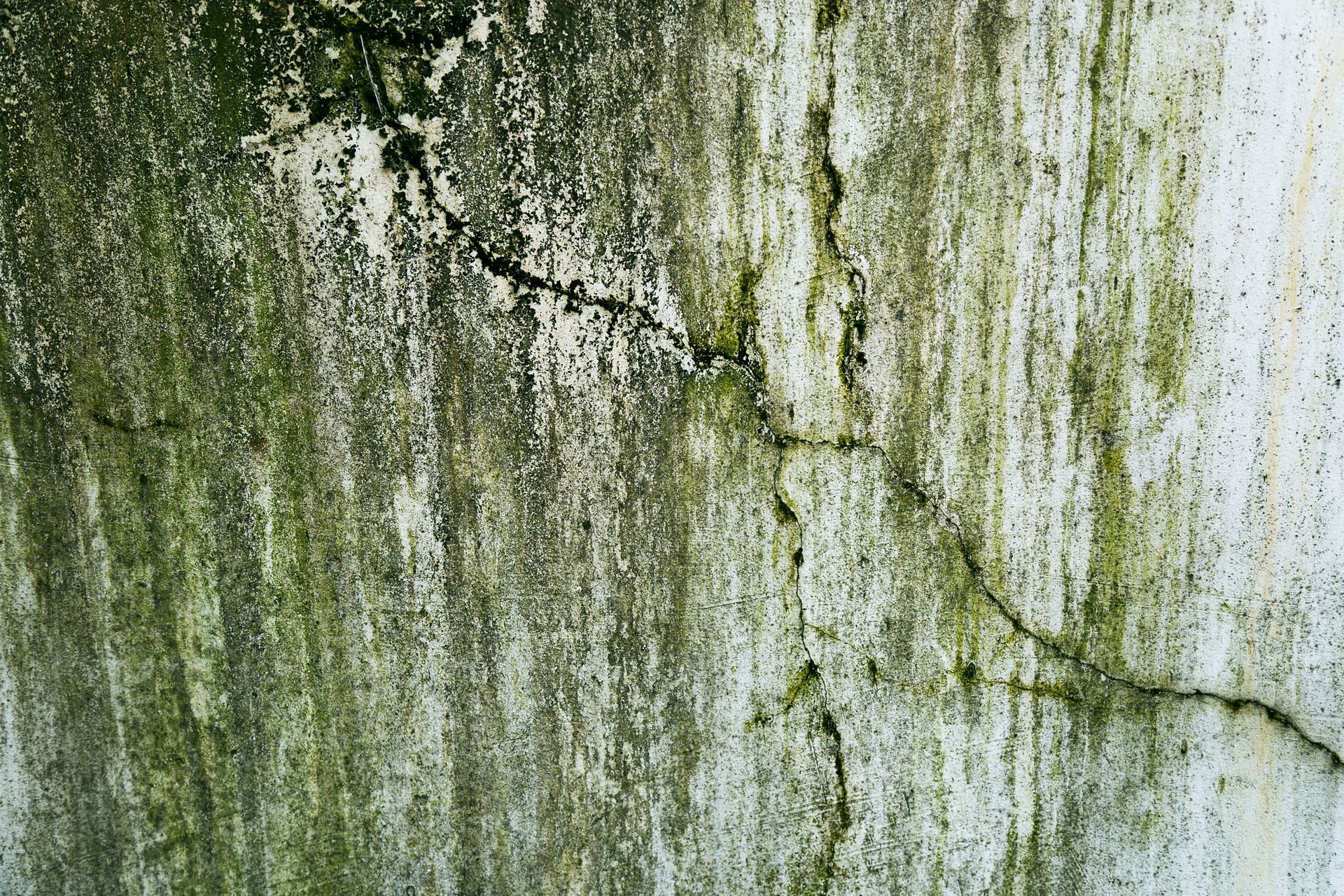
A wall is not designed to take that constant soaking. Over weeks and months the water works into the brickwork and mortar, and eventually it penetrates through to the inside, appearing as a damp patch, staining, or even mould on the interior wall. The damp you see indoors began as water that should have gone down a pipe.
3. The Damage That Follows if It Is Ignored
Left unchecked, this cycle does more than mark a wall. Constant moisture can rot timber fascia boards behind the gutter, damage plaster inside, and encourage mould that affects both the look of a room and the air in it. Damp brickwork also holds cold, making rooms harder and more expensive to heat.
What makes this frustrating is that treating the damp indoors without clearing the gutter never works for long. The water keeps coming, so the damp keeps returning, and the underlying problem quietly gets worse behind the scenes.
4. Why This Matters Especially in North London
North London homes are well placed to suffer this problem. Mature trees drop leaves that fill gutters quickly, older properties often have gutters that are harder to reach, and the area's damp climate means plenty of rain to expose any blockage.
Add in the moss that North London roofs shed so readily, which washes straight into the gutters, and you have a recipe for exactly the kind of overflow that leads to damp. It is one of the most common causes of interior damp that homeowners in the area never think to check.
5. Stopping Damp at Its Source
The good news is that this cause of damp is one of the most preventable. Keeping gutters clear, ideally twice a year and especially before winter, stops the overflow that soaks the walls in the first place. It is a small, routine job that heads off a large, expensive one.
Because roof moss is such a common source of blockage, it often makes sense to clean the roof and clear the gutters together. Dealing with both at once tackles the whole cycle rather than clearing a gutter that simply fills again from the roof above.
Frequently Asked Questions
Can blocked gutters really cause damp inside my house?
Yes, very commonly. When a gutter overflows, water runs down the wall and soaks into the brickwork, eventually penetrating through to appear as damp, staining, or mould on the inside.
How do I know if my damp is caused by gutters?
Damp that appears or worsens after heavy rain, especially on a wall directly below a gutter or downpipe, is a strong sign. A professional can confirm whether an overflowing or blocked gutter is the source.
Will treating the inside wall fix the problem?
Not on its own. If the gutter keeps overflowing, the damp will keep returning. The lasting fix is to clear the blockage so water drains away properly, then address any interior damage.
How often should I clear my gutters to avoid this?
At least twice a year for most homes, and more often if you have overhanging trees. The autumn clear before winter is the most important for preventing overflow in the wet months.
Why do my gutters keep blocking so quickly?
Often it is moss shedding from the roof combined with leaves from nearby trees. Cleaning the roof as well as the gutters tackles the source, so the gutters stay clear for longer.
Seeing damp and suspect the gutters?
Ben's Roof Cleaning clears blocked gutters and cleans roofs across North London, tackling the source of overflow-related damp. Get in touch or call 0207 078 0639
for a free, no-obligation quote.
Fix the Gutter, Fix the Damp
Interior damp can feel like a mysterious and serious problem, but very often the answer is waiting up at gutter level. A blocked gutter overflows, the water soaks the wall, and the damp appears inside. Clearing the gutters, and the roof that feeds them, removes the cause rather than chasing the symptom. For North London homes, with their trees, older gutters, and moss-prone roofs, keeping that drainage clear is one of the simplest and most effective ways to keep walls dry and rooms healthy.