Why North London Roofs Get So Much Moss (and How to Stop It)
If it feels like your roof grows moss faster than you can deal with it, you are not imagining things. North London has a particular combination of conditions that make roofs here especially prone to moss, algae, and lichen. Understanding why is the first step to keeping it under control, because once you know what feeds the growth you can take practical steps to slow it. This guide explains the local factors at work and what actually keeps a North London roof clearer for longer.
The quick answer: North London roofs get heavy moss because of shade from trees and neighbouring buildings, a damp climate, mature gardens, and a lot of older, textured tiles. You cannot change the weather, but trimming back shade, keeping gutters clear, and regular professional cleaning make a real difference.
1. Shade Is the Biggest Culprit
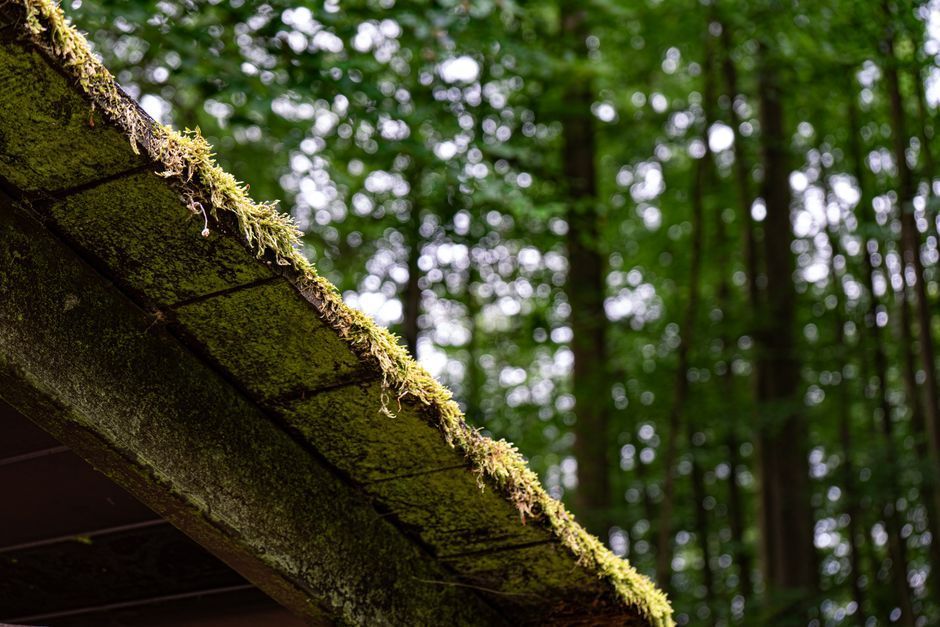
Moss thrives where sunlight cannot dry a surface out, and North London provides plenty of shade. Mature street trees, established garden trees, and closely spaced houses all block sunlight from reaching parts of the roof, especially north-facing slopes that see little direct sun at the best of times.
A roof that stays damp because it never fully dries is the perfect home for moss. This is why one side of a roof is often green while the other stays relatively clear, and why homes surrounded by greenery tend to have the heaviest growth.
2. A Damp Climate That Suits Moss
London's climate is damp for much of the year, with regular rain and long stretches of grey, humid weather. That steady moisture is exactly what moss and algae need, giving them the conditions to grow through much of the year rather than just a single season.
Combined with shade, this damp means a North London roof rarely gets the long, dry spells that would naturally hold growth back. The moss gets a near-constant supply of the moisture it depends on, so it establishes and spreads readily.
3. Mature Gardens and Overhanging Trees
The leafy streets and established gardens that make North London so pleasant also feed roof growth. Overhanging branches drop leaves, seeds, and organic debris onto the tiles, and that debris holds moisture and gives moss something to root into.
Trees also drop material straight into the gutters, where it rots down and adds to the damp environment. The greenery that adds so much to a property is, from the roof's point of view, a steady source of the moisture and organic matter moss loves.
4. Older, Textured Tiles Hold Growth
Much of North London's housing stock is older, and older roofs tend to have more textured or porous tiles than smooth modern ones. That texture gives moss spores somewhere to settle and take hold, and porous tiles retain the moisture that growth needs.
This is part of why period homes in the area so often have green roofs. The same tiles that give these houses their character also offer moss an ideal surface, which means these roofs benefit especially from regular, gentle cleaning.
5. How to Keep Your Roof Clearer for Longer
You cannot change London's weather, but you can influence the rest. Trimming back overhanging branches lets more light and air reach the roof so it dries faster. Keeping the gutters clear removes one damp, debris-filled environment that feeds growth from below.
The most effective step is regular professional cleaning, ideally with a protective treatment that slows regrowth. Rather than letting moss build up and then tackling it in a crisis, keeping the roof on a schedule holds the growth back and keeps your home looking cared for year round.
Frequently Asked Questions
Why does my roof get more moss than my neighbour's?
Usually it comes down to shade, aspect, and trees. A north-facing or tree-shaded roof stays damp longer and grows far more moss than a sunny, open one, even on the same street.
Does cutting back trees really help?
Yes. Trimming overhanging branches lets more sunlight and air reach the roof so it dries faster, and reduces the leaves and debris that feed moss and block gutters.
Is moss worse in London than elsewhere?
London's damp climate, dense housing, and leafy suburbs create ideal moss conditions. Combined with a lot of older, textured roofs, that makes heavy growth especially common across North London.
Will moss just come back after cleaning?
Some regrowth is natural, but a professional clean with a protective treatment slows it significantly. Regular cleaning keeps it from ever returning to a heavy, damaging level.
Do older roofs really attract more moss?
Often, yes. Older, more textured or porous tiles give moss spores somewhere to settle and hold moisture, which is why period homes in the area frequently have the greenest roofs.
Tired of moss coming back?
Ben's Roof Cleaning removes moss and helps keep North London roofs clear for longer with careful cleaning and protective treatment. Get in touch or call 0207 078 0639
for a free, no-obligation quote.
Understand the Cause, Control the Moss
North London roofs get heavy moss for reasons that are largely built into the area: shade, damp, mature trees, and a lot of older, textured tiles. You cannot remove those conditions entirely, but you can work with them. Letting in more light, keeping gutters clear, and cleaning the roof regularly with a protective treatment all hold the growth back. Understand what is feeding the moss on your roof, and keeping it clear becomes a manageable routine rather than a losing battle.